
GIVE A CHIP, Inc
A 501(c)(3) dedicated to offering enhanced educational experiences.
Do More than Care: Give a Chip
SUPPORTING SMART COOKIES,
ONE CHIP AT A TIME.
Every child deserves the chance to learn to bake. Our programs combine baking basics with social and emotional learning outcomes to encourage children to grow into the best versions of themselves.
On-site Cookie Workshops
We bring the cookies to you, bringing baking into the classroom with our team of bakers & educators.

8-part Certificate Programs
Explore our different certificate programs, each focused on supporting social and emotional learning goals.

Cookie Capstone Program
Go for the cookie gold with our cookie capstone program, focusing on enhanced learning outcomes throughout the school year.
Where science meets sweets.
Baking with STEAM
Baking with STEAM uses hands-on baking experiences to make science, technology, engineering, art, and mathematics approachable, meaningful, and fun for elementary-aged students by connecting academic concepts to real-life problem-solving.

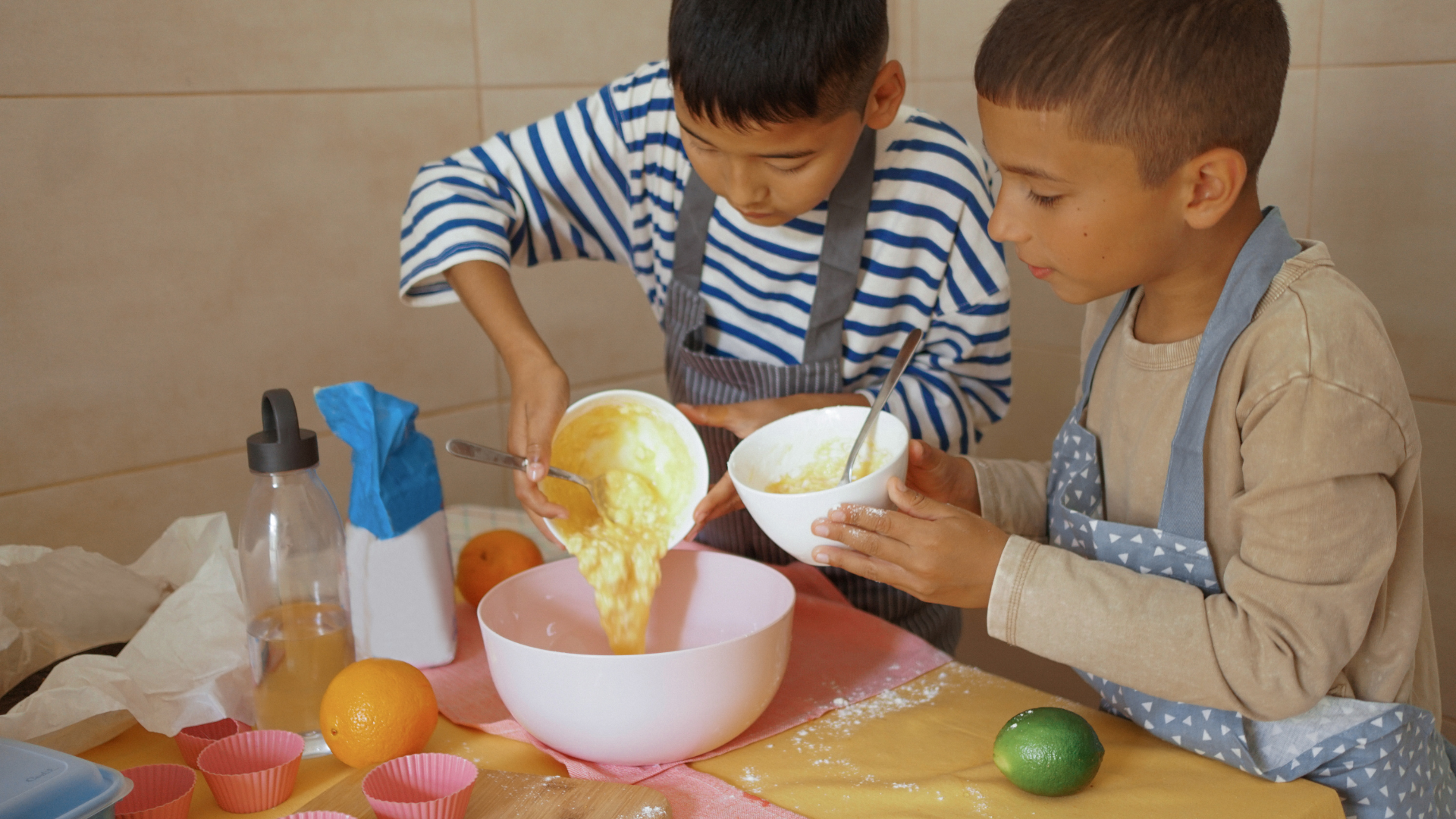
Make cookies, not conflict.
Cookies over Conflict
Cookies Over Conflict uses baking as a bridge to foster empathy, acceptance, and anti-bullying behaviors in elementary-aged children by teaching them how to navigate differences, resolve conflict peacefully, and choose kindness in everyday interactions.
Bake the best version of you.
Cooking up Confidence
Cooking Up Confidence uses baking as a tool to strengthen kids’ mental health and self-belief. In a warm, supportive setting, students learn practical kitchen skills while developing resilience, emotional regulation, and a healthier inner voice. It’s confidence-building you can see, taste, and take home.

Cooking up business skills
Junior Cookie Entrepreneurs
Junior Cookie Entrepreneur empowers elementary-aged students to explore entrepreneurship by teaching them how to create, market, and manage a small business through hands-on baking experiences that foster creativity, responsibility, and confidence.
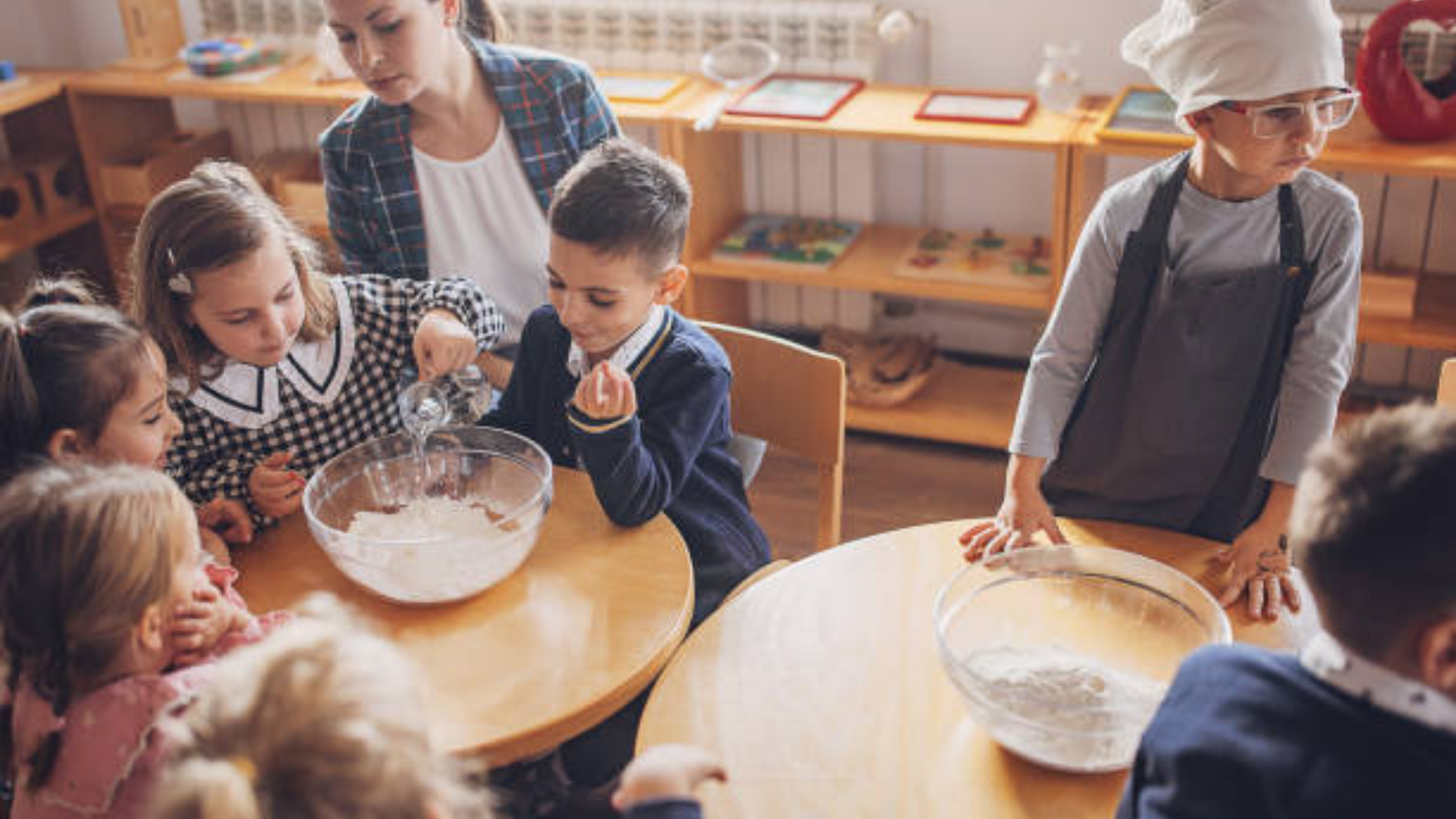

We Use Cookies
Cyber Security
We Use Cookies empowers elementary-aged students to become safe, responsible digital citizens by teaching online privacy, cybersecurity awareness, and help-seeking behaviors through developmentally appropriate, hands-on learning experiences.
Sensory Sprinkles
Cookies of all shapes and sizes
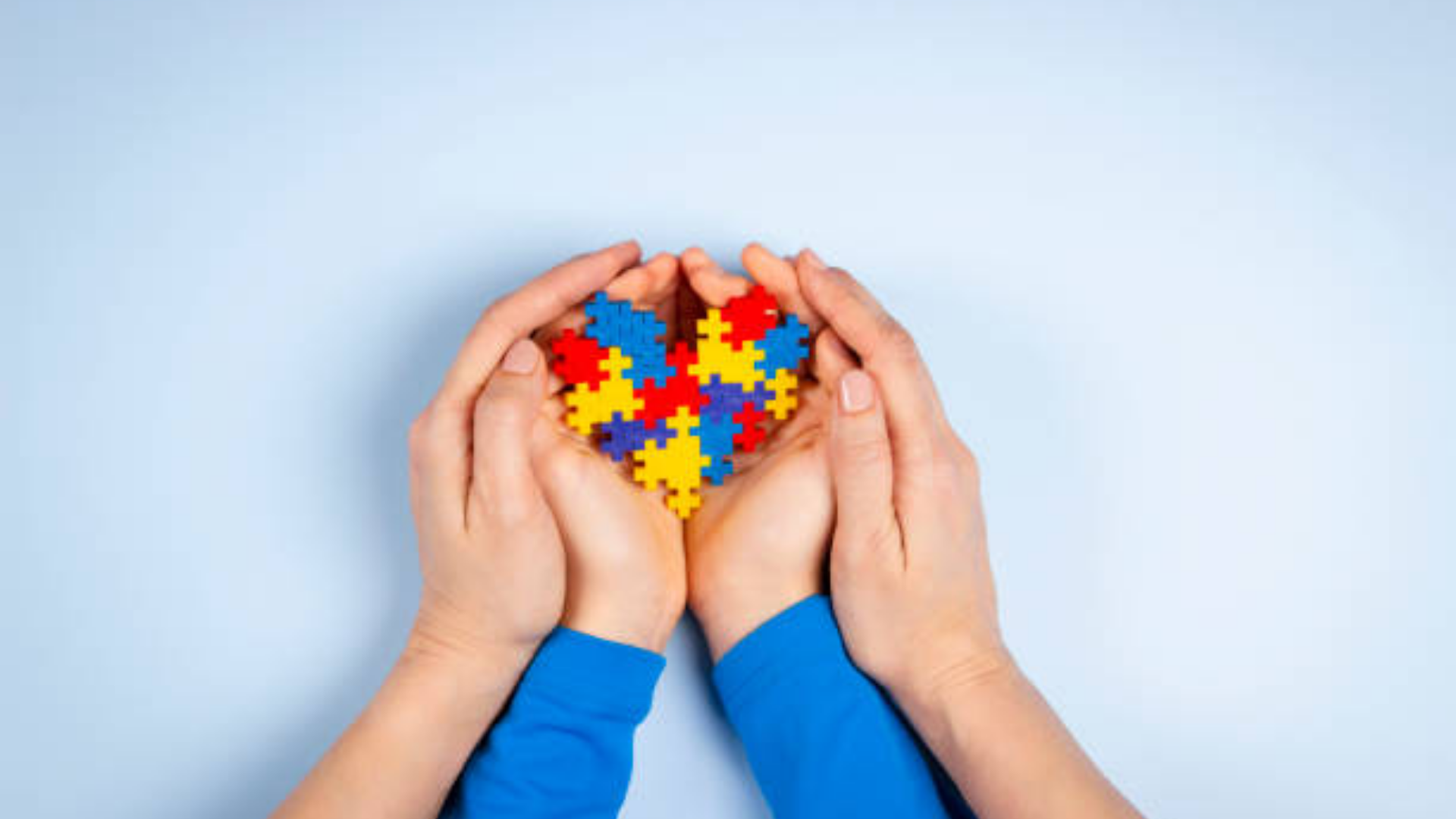
Sensory Sprinkles uses sensory-informed baking experiences to support regulation, independence, and confidence in neurodivergent elementary students through predictable routines, flexible participation, and affirming learning environments.
don’t take our word for it
What people are saying:
Give a Chip, Inc is in partnership with local businesses and groups across Northeast Florida, offering baking classes and cookie workshops at schools, churches, and community centers. Here’s what people are saying:
These workshops blend social-emotional learning and academics more seamlessly than many formal programs I’ve seen.
The structure is clear, the language is student-friendly, and the cookie metaphor makes abstract concepts accessible. I would absolutely recommend this to schools looking for enrichment that feels joyful rather than forced.
Melissa R. — Parent, grade 4
I signed my child up thinking this would be a fun baking class. What I didn’t expect was how much confidence they gained.
My daughter came home talking about teamwork, problem-solving, and trying again when a recipe didn’t work the first time. The cookies were great, but the growth I saw in her was even better. This program feels thoughtfully designed, not just cute.
Renee T. — Parent, grade 4
This was the first after-school program my son didn’t want to miss.
He struggles with traditional classroom settings, but the hands-on nature of the workshops kept him engaged and excited. He felt successful, included, and proud of what he created. That’s rare, and it matters.
Jason L. — Parent, grade 3
As an educator, I appreciate how intentional this program is.
It’s not just baking for fun; there’s purpose behind every activity. Students are practicing collaboration, reflection, and perseverance without even realizing they’re doing it. That’s excellent pedagogy disguised as frosting.
Michael P. — Teacher, grade 2
This program brought something genuinely positive to our community space.
We’ve hosted plenty of youth activities, but this one stood out for its warmth and structure. Kids felt safe to try, fail, laugh, and succeed. Parents kept asking when the next session would be offered.
Tim B. — Youth Pastor
This was the first workshop where my child felt truly comfortable from start to finish.
My son is on the autism spectrum, and sensory overload is usually a deal-breaker. The calm pacing, clear expectations, and sensory-aware activities made all the difference. He felt respected, capable, and proud of what he created. That alone is priceless.
Katie S. — Parent, grade 2
The Why:
Research shows that small group social & emotional learning programs have HUGE benefits.
Participation in evidence-based social and emotional learning programs increases students’ social-emotional competencies (communication, teamwork, empathy) by about 11 percentile points compared to those who don’t participate.
Experiential after-school activities show positive effects on prosocial and identity development.
Reviews of after-school programs with hands-on learning report consistent improvements in prosocial behavior and positive self-perception—a core SEL outcome.
Small group SEL workshops can significantly increase competencies like empathy and self-soothing.
Program evaluations of after-school SEL implementations found significant increases in children’s empathy and ability to self-manage, showing that even program-embedded SEL activities in group settings make a real difference.
SEL participation is linked to measurable boosts in student engagement and behavior.
After-school SEL programs are associated with improved social skills, improved self-regulation, and better decision-making outcomes for children involved in extended learning activities outside the classroom.
Hands-on Engagement for Smart Cookies.
Some of the most powerful growth happens when children are working side by side, solving problems together, and discovering that mistakes aren’t failures, they’re part of the process. In after-school and community enrichment spaces, small-group workshops offer something classrooms often can’t: time, flexibility, and room to be human.
Our cookie-based workshops were designed with this exact idea in mind. By blending hands-on learning with intentional social and emotional skill-building, we create spaces where students can practice confidence, collaboration, and self-regulation in ways that feel natural, joyful, and lasting.
Below, we explore why small-group enrichment works and how thoughtfully designed programs can make a meaningful difference.
 Give a Chip, 501 (c)(3)